




Why Regular Septic Inspections Matter for Greater Edmonton Homeowners

Regular septic inspections are one of the simplest ways homeowners in the Greater Edmonton Area can avoid expensive repairs and protect their property. A routine inspection checks that your tank, pump and drain field are working as they should — and it spots small problems before they become big ones. Read on to learn the practical benefits of scheduled inspections and how simple habits keep a septic system running for years.
Many homeowners only think about their septic system when something goes wrong. Inspections let you be proactive: they identify issues early, guide necessary repairs, and reduce the chance of environmental harm. This article covers the main advantages of inspections, how Advanced Septic Services conducts them, recommended timing, useful maintenance tips, and the effect inspections have on property value and regulatory compliance.
What Are the Key Benefits of Regular Septic Inspections?
Regular septic inspections deliver clear, practical benefits:
- Early detection of issues: Inspections find small faults — like a failing float or clogged line — before they cause system failure.
- Peace of mind: Scheduled checks mean fewer surprises and confidence that your system is monitored by professionals.
- Environmental protection: Timely service reduces the risk of leaks and contamination to soil and nearby water sources.
- Extended system lifespan: Preventive care keeps components working efficiently and delays costly replacements.
Those advantages add up to fewer emergency calls, lower long-term costs, and a healthier property overall.
How Do Septic Inspections Prevent Costly Repairs and Emergency Failures?
Inspections stop small problems from becoming emergencies. A technician inspects tank levels, alarms, pumps and the drain field so you can take action early — for example, reducing water use or scheduling a pump-out. Catching issues quickly often saves thousands compared with repairing a failed system or replacing a drain field.
In What Ways Do Inspections Extend Septic System Lifespan?
Routine inspections let technicians spot wear and correct minor faults before they cause deterioration. Regular checks, timely repairs and proper maintenance keep the system balanced and reduce strain on the tank and field, which helps the whole system last longer.
How Does Advanced Septic Services Conduct Comprehensive Septic Inspections?
Advanced Septic Services follows a clear, consistent inspection process: we assess the site, review any system alarms or history, test components to manufacturer and code standards, and explain findings and next steps so homeowners know exactly what to expect. Our goal is a dependable inspection that leaves your system safer and your mind at ease.
What Is the Step-by-Step Process of a Septic Inspection?

A standard inspection typically follows these steps:
- Initial consultation: We walk the property with you to note concerns and review system history.
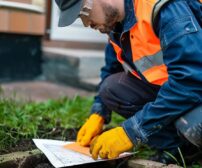
- System inspection: The technician examines the tank, pump, alarms and drain field for signs of trouble.
- Alarm recommendations and installation: If an alarm is needed, we recommend the right type and install it to code.
- Final testing: We run tests and confirm everything is working before we leave.
This sequence ensures a thorough evaluation and a clear plan for any repairs or maintenance.
Which Advanced Diagnostic Tools Are Used During Inspections?
Technicians use proven diagnostic tools — camera scopes for visual checks, pressure gauges and level sensors, and electronic monitors for ongoing alerts. These tools improve accuracy and help pinpoint issues that aren’t visible from the surface.
When and How Often Should Homeowners Schedule Septic Inspections?
Inspection frequency depends on tank size, household use and system type. Regular scheduling keeps systems stable and lets professionals catch problems early.
What Is the Recommended Inspection Frequency for Residential Septic Systems?
As a general rule, Alberta Environment and Parks suggests inspections about every three years, though systems with heavy use, smaller tanks or a garbage disposal may need checks more often. Your technician can recommend the best schedule for your home.
What Are the Common Signs Indicating Immediate Septic Inspection Is Needed?
Watch for these warning signs — they mean call a technician right away:
- The alarm is sounding, either continuously or on and off.
- Foul or unusual odours near the tank or drain field.
- Slow drains throughout the house.
- Standing water or soggy spots over the drain field.
If you notice any of these, limit water use and contact a professional as soon as possible.
What Are Essential Septic System Maintenance Tips Beyond Inspections?
Inspections are critical, but everyday habits also matter. Simple changes reduce strain on your system and lower the chance of problems.
Which Smart Habits Help Prolong Septic System Longevity?

Smart, practical habits include:
- Regular maintenance: Book professional inspections and pump-outs on the schedule recommended for your tank size and usage.
- Routine checks: Test alarms, inspect power supplies, and ensure float switches and access points are clear.
- Timely repairs: Address alarms, slow drains or odd smells promptly—don’t wait for a break down.
- Manage water use: Spread laundry loads and avoid continuous high water use to reduce stress on the system.
These steps help keep your system functioning and reduce the need for emergency repairs.
Why Is Regular Pumping Critical for Septic Health?
Pumping removes settled solids that can otherwise clog your drain field or overload the tank. Regular pump-outs prevent backups and costly repairs. Alberta Environment recommends pumping every three to five years, depending on tank volume and household habits.
How Do Septic Inspections Affect Property Value and Regulatory Compliance in Alberta?
A documented inspection history shows buyers and regulators that a property’s septic system is maintained and safe. That transparency can improve marketability and reduce friction during a sale.
What Alberta Regulations Govern Septic System Inspections and Maintenance?
Alberta’s standards — including the Alberta Private Sewage Systems Standard of Practice — set installation and maintenance expectations. Staying current with inspections and repairs helps ensure your system meets those requirements and avoids fines or remediation costs.
How Do Inspections Support Property Value and Real Estate Transactions?
During a sale, a recent inspection or service record reassures buyers that the system is reliable. Catching and fixing issues before listing helps preserve value and avoids last-minute surprises in negotiations.
What Are Typical Septic Inspection Costs in Alberta and How Are They Justified?
Inspection prices vary with system complexity, but the cost of an inspection is small compared with the price of major repairs or a field replacement. Think of inspections as insurance that helps avoid larger bills later.
What Is the Cost Range for Septic Inspections in the Greater Edmonton Area?
In the Greater Edmonton Area, inspections typically range from $300 to $600 depending on system size and services performed. That investment can prevent far more costly repairs down the road.
How Do Inspection Costs Compare to Potential Repair Expenses?
Routine inspections and alarm systems are a cost-effective way to protect your property. Identifying problems early usually costs far less than emergency repairs or full system replacement.
| Benefit | Description | Value |
|---|---|---|
| Early Detection | Identifies issues before they escalate | Saves on repair costs |
| Peace of Mind | Regular monitoring ensures system reliability | Reduces stress for homeowners |
| Environmental Protection | Prevents contamination and overflows | Safeguards local ecosystems |
| Extended Lifespan | Routine maintenance prolongs system life | Maximizes investment |
This table summarizes how inspections protect your home, the environment and your long-term costs.
Frequently Asked Questions
What should I do if my septic system alarm goes off?
If your alarm sounds, reduce water use immediately and check for obvious issues like a tripped breaker. If the alarm continues, contact a licensed technician right away. Quick action minimizes the risk of backups and property damage.
Can I perform my own septic inspection?
You can do simple visual checks — look for wet spots, slow drains or unusual smells — but a professional inspection is recommended for a full evaluation. Technicians use specialized tools and training to find hidden or developing problems.
How can I find a reliable septic inspection service in my area?
Ask neighbours or local real estate agents for recommendations, read recent online reviews, and confirm the company is licensed and insured. A reputable provider will explain their process, tools and pricing up front.
What happens during a septic inspection?
A technician will review your system history, inspect the tank, pump and drain field, test alarm and pump function, and report any repairs or maintenance needed. You’ll get clear recommendations and next steps.
Are there any seasonal considerations for septic inspections?
Yes. Schedule inspections before heavy spring runoff or before winter to reduce weather-related issues. Fall inspections are good preparation for winter, and avoiding inspections during saturated ground conditions can improve accuracy.
What are the environmental impacts of a failing septic system?
A failing system can contaminate groundwater and nearby surface water, harming wildlife and posing health risks. Regular inspections and maintenance prevent leaks and help protect local ecosystems.
Conclusion
Routine septic inspections are a practical, cost-effective step for homeowners in the Greater Edmonton Area. They provide early problem detection, protect the environment, support regulatory compliance and help maintain property value. For reliable inspections and straightforward advice, schedule a service with Advanced Septic Services and keep your system working the way it should.