




Why local septic inspections matter: benefits, warning signs, and simple maintenance tips

Local septic inspections keep your system working as it should, help you avoid expensive repairs, and protect the environment around your home. This guide explains why inspections are important, the benefits they deliver, common warning signs to watch for, how often you should schedule a check, and easy maintenance steps you can do between professional visits. Many homeowners don’t realize how quickly a small issue can grow into a costly problem — regular inspections let you catch trouble early and protect your investment. We also highlight the advantages of choosing a local provider like Advanced Septic Services.
What is a septic inspection — and why should you care?
A septic inspection reviews the condition and performance of your septic system, from the tank to the drain field and related components. Inspections find problems early — leaks, blockages, worn parts or other faults — before they become major failures. That saves money, reduces environmental risk, and helps ensure your system meets local rules. Knowing the system’s condition lets you plan repairs or maintenance and gets more life out of the system.
What does a professional septic inspection include?
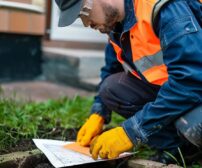
A professional inspection usually covers the tank, drain field, pumps, alarms (if present), electrical connections and visible plumbing. The inspector looks for signs of leaks, slow drainage, malfunctioning floats or pumps, and other issues that affect performance. After the check they’ll explain what they found, recommend next steps, and answer questions so you understand the condition of your system.
How do inspections protect homeowners and property value?
Inspections protect homeowners by spotting problems early — sometimes before you notice symptoms in the house. While some systems have alarms to warn of high tank levels or pump trouble, many do not. A routine inspection fills that gap, preventing emergency repairs, preserving system function, and helping maintain property value. Addressing issues now avoids bigger bills and environmental headaches later.
Smart monitoring is also emerging as a way to catch problems sooner and reduce risk of overflows.
Smart septic tank monitoring for overflow prevention
A device using an ultrasonic sensor to track wastewater levels in the septic tank and provide remote alerts — a practical tool to reduce the risk of overflow and environmental pollution.
Key benefits of regular septic system checks
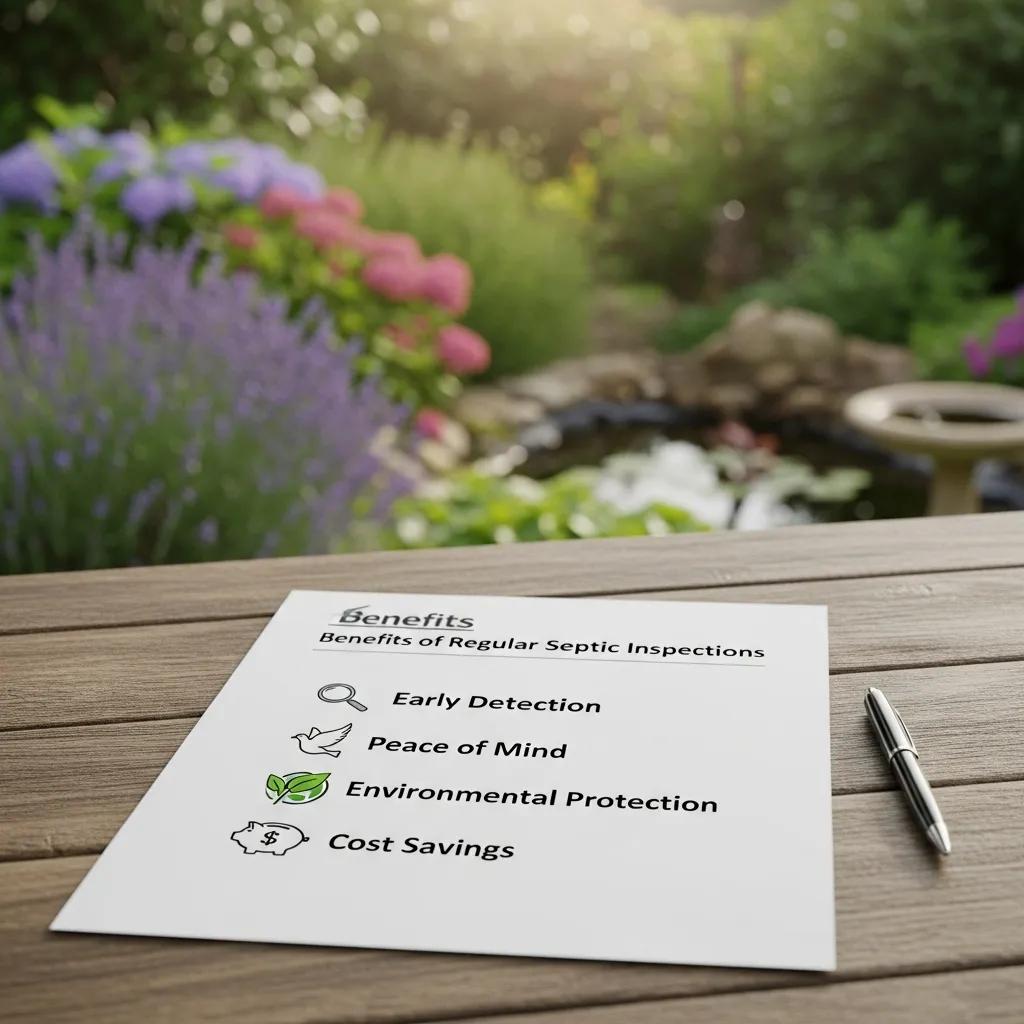
Regular inspections deliver several clear benefits:
- Early detection: Find small issues before they become major failures.
- Peace of mind: Know your system is monitored and that you’ll be alerted quickly if something’s wrong.
- Environmental protection: Timely action reduces the chance of overflows and contamination.
- Cost savings: Catching problems early often saves thousands in repairs.
Routine checks and timely maintenance keep your system running longer and more reliably.
| Benefit | Description | Impact |
|---|---|---|
| Early Detection | Finds problems before they escalate | Lower repair bills |
| Peace of Mind | Confirms the system is monitored | Less stress for homeowners |
| Environmental Protection | Prevents contamination | Protects local waterways and soil |
| Cost Savings | Reduces emergency repairs | Preserves your investment |
Those advantages show why routine inspections are a smart, cost-effective step for any homeowner.
How inspections help avoid costly repairs
Inspections spot issues such as high tank levels, pump faults or blocked outlets before they turn into emergencies. When a problem is found, you can reduce water use, schedule a repair, or replace a worn component — actions that typically cost far less than fixing a full system failure.
How inspections protect health and the environment
Early detection reduces the risk of backups and untreated wastewater escaping into the yard or nearby water sources. Keeping the system working correctly protects your family’s health and the health of the surrounding area.
Common signs your septic tank needs an inspection
Watch for these warning signs:
- An alarm that sounds continuously or intermittently (if your system has one).
- Unusual or persistent odors near the tank or drain field.
- Slow drains inside the house.
- Pooling water or unusually lush vegetation over the drain field.
If you see any of these, cut back on water use and call a technician for an inspection.
Which warning signs point to system failure?
The signs above — persistent alarms, bad smells, slow drains and standing water — often indicate a failing component or drain-field issue. Don’t ignore them: early action prevents larger failures.
Field inspections often confirm these traditional warning signs and help pinpoint the root cause.
Identifying septic system failure signs and traditional inspections
Field-based investigations commonly find failing systems marked by standing water, unusually green vegetation and other visible clues — useful indicators that a detailed inspection is needed.
When should you call a septic professional?
Call a licensed septic professional as soon as you notice alarms, odd smells, slow drains, pooling around the drain field, or any sudden change in system performance. In the meantime, reduce water use to limit further stress on the system.
How often should you schedule an inspection?
We recommend a professional inspection every 3 to 5 years. That frequency helps catch wear and faults early and keeps your system working reliably. Busy households, large families, or systems with known issues may need more frequent checks.
Recommended inspection frequency for homeowners
Most homeowners should book an inspection every 3 to 5 years. This planned approach lowers the risk of unexpected failures and unexpected repair costs.
Special inspection requirements for real estate transactions
When buying or selling a property with a septic system, a septic inspection is often requested to confirm the system’s condition and avoid future liabilities. Sellers should consider having an inspection before listing so any issues can be addressed up front.
Best septic maintenance tips for homeowners

Between professional inspections, homeowners can perform a few simple checks to keep systems reliable:
- Test the alarm (if installed) following the manufacturer’s instructions.
- Check power sources and connections to ensure they’re working.
- Make sure float switches move freely and aren’t obstructed.
- Clear debris from around access points and keep the area accessible.
These quick checks reduce the chance of surprise failures.
How often should tanks be pumped and maintained?
Tanks are typically pumped every 3 to 5 years, depending on household size and water use. Regular pumping prevents solids from building up and helps avoid clogs and backups.
DIY care between inspections
Simple homeowner checks — alarm tests, visual inspections for pooling or odors, and keeping inlet covers clear — are useful complements to professional service. If you spot anything unusual, call a technician.
Knowing how homeowners think about maintenance helps us offer clear, usable guidance and services.
Homeowner perceptions of septic system maintenance
Research using interviews with homeowners highlights common practices, preferences and barriers — insight that helps shape practical, easy-to-follow maintenance advice.
Why choose a local inspection service like Advanced Septic Services?
Choosing a local provider brings real advantages:
- Emergency support: Local teams can respond quickly when an alarm sounds.
- Transparent pricing: Clear, fair quotes and practical recommendations — no pushy upsells.
- Local expertise: Familiarity with regional codes, soil types and weather improves installation and performance.
- Reputation: Consistent workmanship, clear communication and repeat clients show reliability.
- Professional installation: Work done to manufacturer specs and local code for dependable results.
Those factors give homeowners confidence when dealing with septic issues.
What makes Advanced Septic Services a trusted local expert?
Advanced Septic Services is known for reliable workmanship, clear communication, and a focus on safety and sustainability. We offer straightforward pricing, around-the-clock emergency support, and honest recommendations — backed by local testimonials and repeat customers.
How local expertise benefits Edmonton-area homeowners
Local knowledge means installations that meet regional rules and perform well under local soil and weather conditions. That experience helps us recommend the right equipment and complete work that stands up over time.
Frequently asked questions
What can happen if I neglect septic maintenance?
Neglect can lead to system failure, costly repairs, and environmental harm. Untreated waste can contaminate groundwater or nearby water sources, creating health risks and possible legal or cleanup costs. Regular inspections and maintenance prevent those outcomes.
Can I inspect my septic system myself?
You can do basic checks — watch for slow drains, odors or pooling — but a professional inspection gives a full evaluation. Technicians have the tools and experience to find hidden issues and ensure compliance with local rules.
What should I do if I suspect a problem?
Reduce water use immediately and call a licensed septic professional for an inspection. Early action often prevents more serious damage and higher repair costs.
Do septic rules vary by region?
Yes. Local health departments and environmental agencies set different rules on installation, maintenance and inspections. Check local requirements or consult a local provider to stay compliant.
How do I find a reliable inspection service?
Look for local companies with good reviews, proper licences or certifications, and transparent pricing. Recommendations from friends, real estate pros or neighbours are also helpful. Confirm the company has experience with your type of system.
What does a septic inspection cost?
Inspection costs vary with location and system complexity. Typical professional inspections range roughly from $300 to $500 — a modest investment compared with the cost of major repairs.
Conclusion
Regular septic inspections give you early warning of problems, protect your property and the environment, and can save you money over time. Make inspections part of your routine home care — and if you’d like local, experienced help, contact Advanced Septic Services to schedule an inspection or get a tailored recommendation.