




Top 5 Septic Inspection Problems — Warning Signs Every Homeowner Should Know

Regular septic inspections catch small problems before they become expensive headaches. Septic systems quietly manage household wastewater — and when they’re neglected, the fallout can be costly and messy. This guide walks through the five most common issues we see on septic inspections and the warning signs of system failure. Spotting trouble early lets you act fast: we cover overfilled tanks, broken pipes and baffles, tree root intrusion, saturated drain fields, and clogged filters, with clear steps to identify and fix each problem.
What Are the Most Common Issues Found During a Septic System Inspection?
During an inspection technicians typically find a handful of repeat problems that signal a system isn’t working as it should. The usual suspects are overfilled tanks, damaged pipes and baffles, root intrusion from nearby trees, drain field saturation, and clogged effluent filters. Left unchecked, any of these can reduce treatment efficiency, cause backups, or damage the drain field — so early detection matters.
How Does an Overfilled Septic Tank Affect System Performance?

An overfilled tank stops the system from working properly. When the tank is too full you may notice slow drains, strong odors, or sewage backing up into the house. Overfilling also lets untreated wastewater reach the drain field, which can kill the soil’s ability to absorb effluent and lead to expensive repairs. The best defense is regular level checks and timely pumping based on your household’s use.
What Signs Indicate Tree Root Intrusion in Septic Systems?
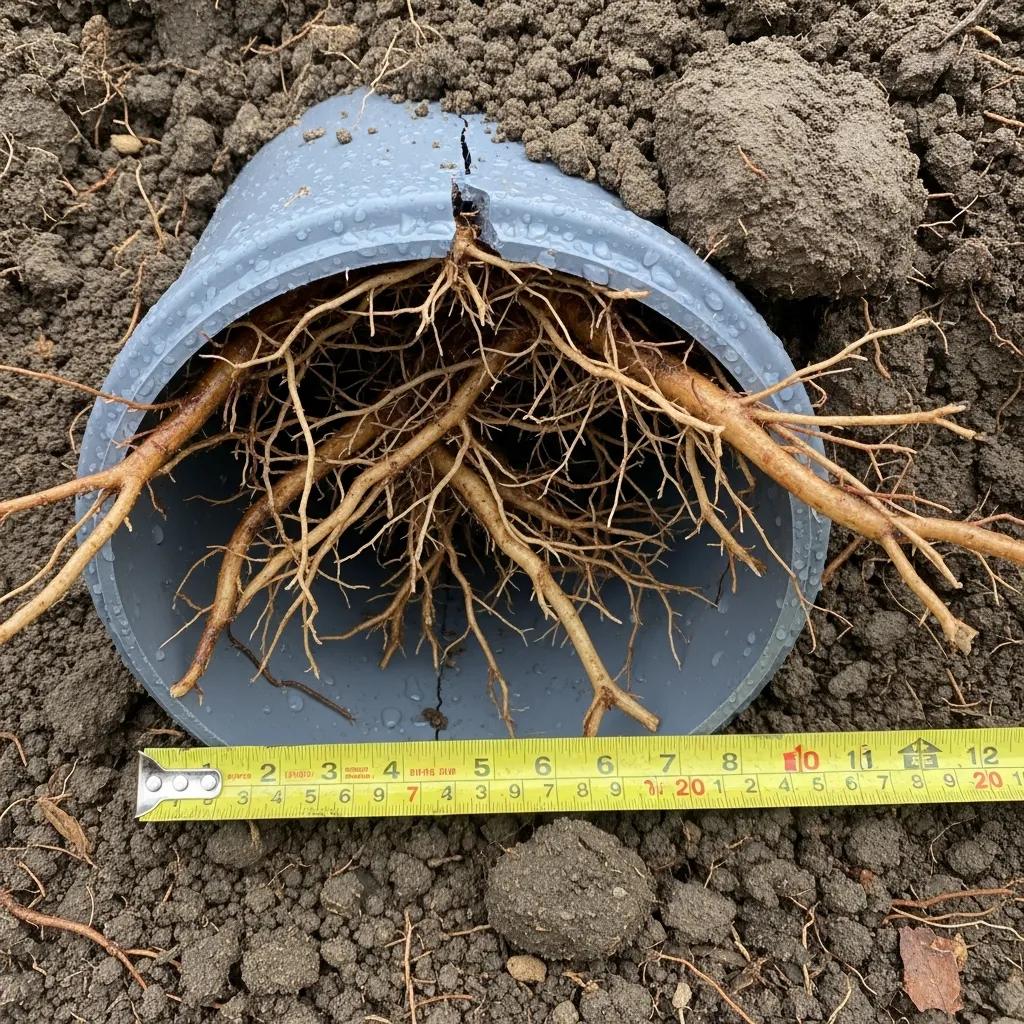
Tree roots are attracted to the moisture and nutrients around a septic system and can invade pipes and baffles. Watch for slow drains, gurgling sounds in your plumbing, or roots visible near system components. Roots that penetrate plumbing cause blockages and damage; if you spot these signs, bring in a pro to inspect and remove roots safely before they cause more harm.
How to Identify and Address Overfilled Septic Tanks During Inspection?
Spotting an overfilled tank during an inspection is straightforward if you know what to look for. Common indicators include:
- Alarm Activation: A sounding alarm usually means high tank levels or pump issues.
- Unusual Odors: Foul smells near the tank or drain field are a red flag.
- Slow Drains: Toilets and sinks that drain slowly can point to a full tank.
- Visible Pooling: Water collecting around the drain field signals a malfunction.
If you see any of these signs, cut back on water use and call a septic professional for a full inspection and recommended next steps.
What Causes Septic Tank Overfilling and What Are the Symptoms?
Overfilling can come from natural buildup, pump failures, excessive household water use, or clogged outlets. The symptoms are the same: alarm activity (continuous or intermittent), strong odors, sluggish drains, and pooling around the drain field. When these appear, reduce water use immediately and schedule a technician visit.
Which Solutions Prevent and Resolve Overfilled Septic Tank Issues?
The most effective ways to avoid and fix overfilling include:
- Septic Alarm Systems: Alarms give you early warning of high levels or pump problems so you can act before backup occurs.
- Immediate Actions: If an alarm sounds, limit water use, check for obvious problems, and call a professional if the alarm continues or if you notice backups or leaks.
- Regular Maintenance: Routine inspections and pumping every 3–5 years (or sooner for heavy use) keep the tank working reliably.
For system-specific advice or professional installation, contact your local septic experts.
What Are the Signs and Solutions for Broken Pipes and Baffles in Septic Systems?
Cracked or collapsed pipes and damaged baffles disrupt flow and can cause serious system trouble. Typical signs include sewage backups, slow drainage, and persistent odors. When these symptoms show up, a complete inspection is needed to locate and repair the damaged components before the problem worsens.
How Do Broken Baffles and Pipes Impact Septic System Function?
Damaged baffles and pipes interrupt the normal treatment process and can allow solids to move into the drain field, leading to clogs and failure. This increases the risk of overflows and environmental contamination. Common inspection methods that reveal pipe and baffle damage include:
Several inspection methods can effectively detect pipe and baffle damage, including:
- Visual Inspections: Looking for visible cracks, misalignment, or leaks around connections.
- Camera Inspections: Running a camera through pipes to find breaks, blockages, or root intrusion.
- Pressure Testing: Checking pipe integrity by measuring how well sections hold pressure.
Routine checks help catch these issues early, keeping repairs smaller and less costly.
How Can Tree Root Intrusion Be Diagnosed and Managed in Septic Systems?
Detecting and controlling root intrusion protects the system’s pipes and components. Because roots grow toward moisture, they often reach seams and joints first. Timely diagnosis and management reduce the chance of major damage.
What Causes Tree Root Intrusion and How Does It Affect Septic Components?
Roots seek moisture and nutrients; pipes, joints, and tank cracks provide easy access. Once inside, roots cause blockages, damage pipe walls, and interfere with baffles, all of which impede wastewater flow and treatment. Regular inspections can spot intrusion early so repairs are less invasive.
What Are Effective Prevention and Repair Strategies for Root Intrusion?
Practical ways to prevent and fix root problems include:
- Regular Inspections: Early detection lets you address roots before they cause major damage.
- Root Barriers: Physical barriers placed between trees and septic components can slow or stop root growth toward the system.
- Professional Removal: Removing roots with specialized tools and repairing affected pipes or baffles is often needed to restore proper function.
Talk to a septic professional to choose the best approach for your property.
What Are the Key Indicators and Remedies for Drain Field Saturation and Failure?
Drain field saturation happens when the soil can’t absorb effluent fast enough — often from excessive water, poor soil, or a damaged tank. Warning signs include:
- Slow drains
- Unusual odors near the drain field
- Visible pooling around the drain field
- Lush, green grass over the drain field even during dry spells
Reduce water use and call a technician if you notice these symptoms so the cause can be diagnosed and corrected.
How Does Drain Field Saturation Occur and What Are Its Symptoms?
Saturation may be caused by heavy household water use, high groundwater, inadequate soil percolation, or failing system components. Symptoms include slow drainage, foul smells, pooling water, and soggy ground above the drain field. If you spot these signs, arrange a professional inspection right away.
Which Maintenance Practices Help Prevent Drain Field Failure?
To protect your drain field, follow these steps:
- Regular Inspections: Catching issues early reduces the chance of field failure.
- Proper Water Use: Spread out laundry and dishwasher loads, and fix leaks promptly to avoid overloading the system.
- Soil Management: Preserve healthy topsoil and avoid altering drainage patterns near the field.
- Avoid Driving or Parking: Keep vehicles and heavy equipment off the drain field to prevent soil compaction.
These habits help extend the life of the drain field and minimize repair costs.
How to Detect and Prevent Clogged Septic Filters During Inspection?
Clogged filters reduce flow and let solids escape to the drain field. Spotting and preventing clogs keeps your system running smoothly and avoids backups.
What Causes Septic Effluent Filter Clogging and What Are the Warning Signs?
Filters clog from grease, toilet paper overload, wipes, or excess solids. Warning signs include slow drains, gurgling pipes, and recurring backups. Keep an eye on system performance and act if these signs appear.
What Are Recommended Cleaning and Maintenance Procedures for Filters?
To keep filters working well, follow these recommendations:
- Regular Cleaning: Have filters cleaned on a schedule — commonly every 1 to 3 years depending on household size and use.
- Monitoring: Track system performance and address any odd symptoms quickly.
- Professional Inspections: Let a trained technician inspect and service filters and other components as needed.
Routine care prevents clogs from escalating into bigger problems.
Frequently Asked Questions
What is the average lifespan of a septic system?
Longevity depends on system type, soil, and maintenance. A well-maintained conventional system often lasts 20–30 years. Neglect, heavy use, or unsuitable soil can shorten that. Regular inspections and proper use are the best ways to extend system life.
How often should I have my septic system inspected?
We recommend a professional inspection every 3–5 years for most systems. If you notice slow drains, odors, or standing water, schedule an inspection right away — don’t wait for the next routine check.
Can I use chemical cleaners in my septic system?
Avoid harsh chemical cleaners. They can kill the beneficial bacteria that break down solids in the tank and harm system performance. Choose septic-safe, biodegradable products, and consult a pro if you need heavy cleaning or treatment.
What should I do if my septic system backs up?
Stop using water immediately to limit further overflow. Check for obvious issues, then call a septic service professional. Quick action reduces cleanup and repair costs and helps prevent health risks.
Are there specific plants I should avoid near my septic system?
Yes — avoid trees and shrubs with aggressive roots like willows, poplars, and some maples. Opt for shallow-rooted plants or grass over and near the drain field, and consult a landscaper for safe planting choices.
What are the environmental impacts of a failing septic system?
Failing systems can release untreated wastewater into groundwater and nearby lakes or streams, spreading pathogens and excess nutrients that harm water quality and wildlife. Fixing problems quickly protects public health and the environment.
How can I tell if my septic system is functioning properly?
Healthy systems have no persistent odors, no slow drains, and no standing water near the drain field. Regular inspections and scheduled maintenance are key indicators that your system is in good shape. If anything seems off, have a professional evaluate it.
Conclusion
Knowing what to watch for during a septic inspection keeps small issues from becoming big, expensive problems. By staying alert for overfilled tanks, broken pipes and baffles, root intrusion, drain field saturation, and clogged filters — and by scheduling regular inspections — you protect your home and the environment. For advice or service tailored to your property, reach out to a local septic professional today.