




How to Choose a Certified Septic Inspection Service Near You
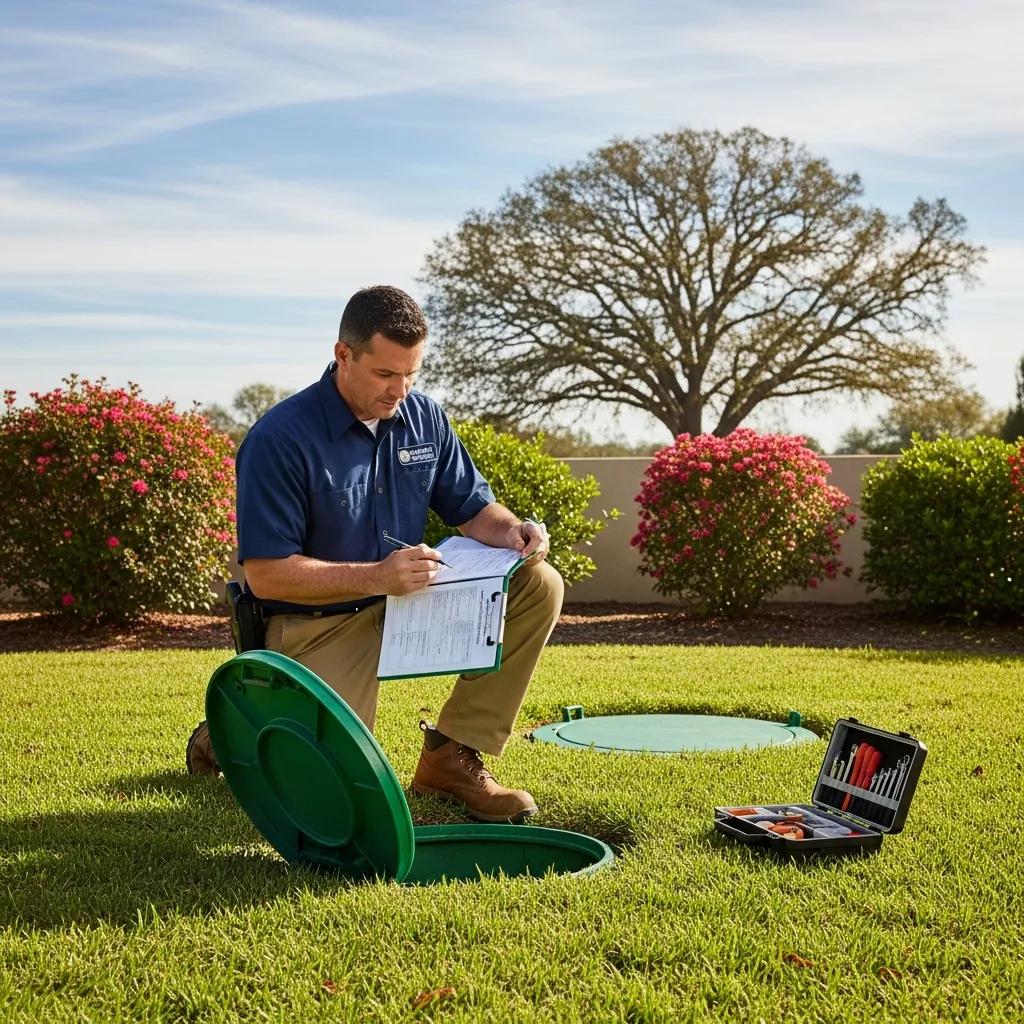
Picking the right septic system inspection service matters — for your home, your wallet, and the environment. This guide walks you through the key things to check when hiring a certified septic inspector so you can make a confident choice. Homeowners often miss early warning signs, which can turn into expensive repairs or contamination problems. Understanding why certification matters, how to evaluate experience and reputation, what a full inspection covers, how pricing works, why local knowledge helps, and what extra services full-service companies offer will protect your investment and keep you compliant with local rules.
Why Is Choosing a Certified Septic Inspector Crucial?
A certified inspector brings training and a process that helps find problems before they become failures. Certification means the inspector follows industry standards, understands local rules, and can recommend the right fixes. That expertise reduces the chance of costly repairs, system failure, or environmental harm — and gives you a reliable, objective assessment.
What Certifications and Licensing Should a Septic Inspector Have?
Look for relevant certifications and licences that prove formal training and accountability. These can include credentials from recognized bodies (for example, NAWT) or provincial/state licensing where applicable. Proper credentials show the inspector knows inspection best practices and local code requirements.
How Does Certification Impact Inspection Quality and Reliability?
Certification matters because it standardizes how inspections are done and what inspectors look for. Certified inspectors are trained to spot trouble, document findings clearly, and recommend appropriate next steps. That consistency improves the accuracy and usefulness of inspection reports so you can act with confidence.
How to Evaluate Septic Company Experience and Reputation?
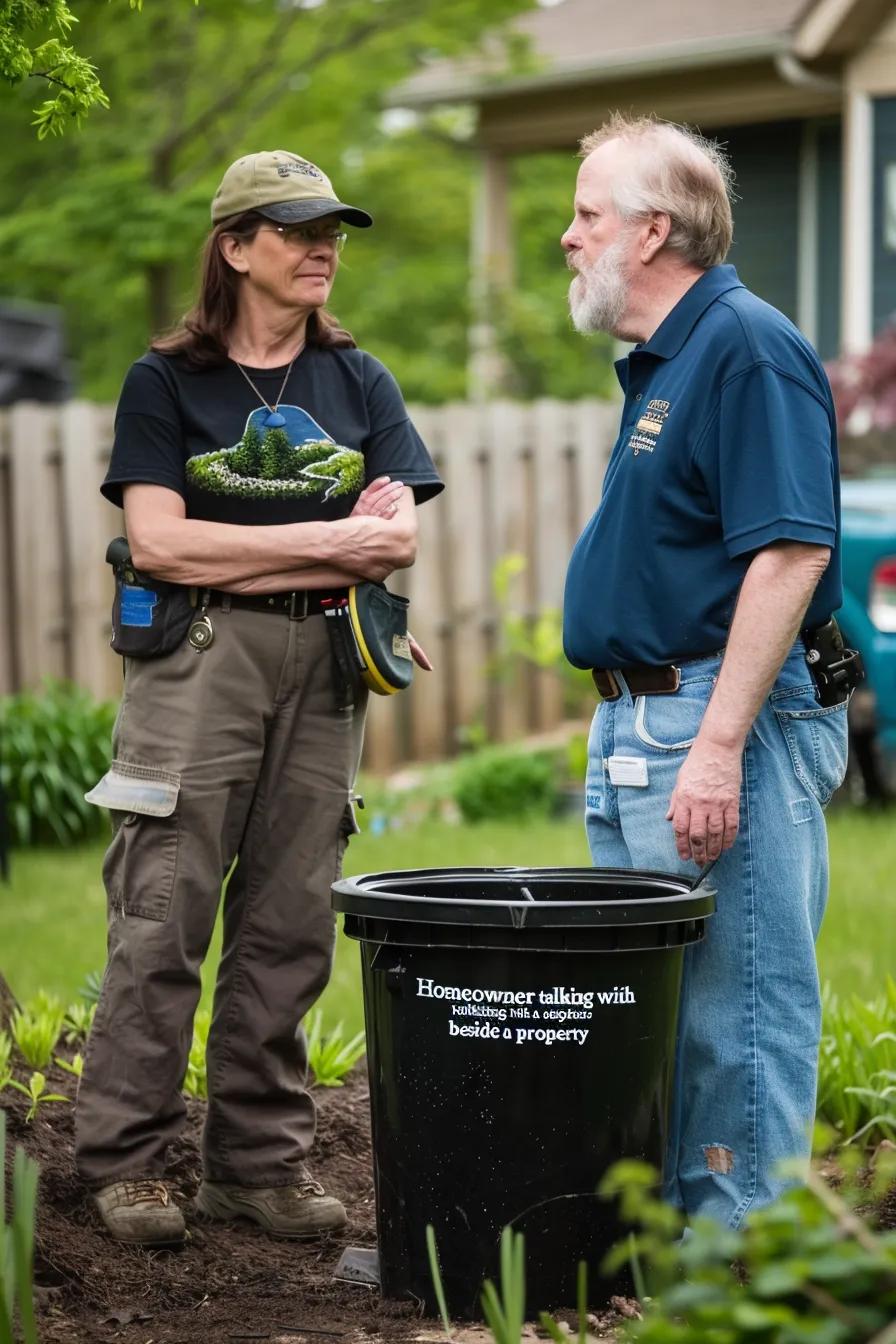
When vetting a septic company, consider practical evidence of good work and reliable service. Look for steady workmanship, clear customer communication, and a focus on safety and long-term performance. The items below will help you compare providers fairly.
- Workmanship Consistency: Choose companies that show routine quality across jobs, not one-off fixes.
- Clear Communication: A reputable firm explains findings and next steps in plain language, not technical overload.
- Focus on Safety and Sustainability: Companies that plan for safe operation and long-term performance earn better reviews.
- Local Testimonials and Repeat Clients: Positive local feedback and repeat business are strong signals of reliability.
- Warranties and Guarantees: Warranties on parts and workmanship indicate the company stands behind its work.
- Emergency Support Availability: Firms that offer fast or 24/7 response show they’re committed when problems happen.
These checkpoints will help you judge a provider’s trustworthiness and service level.
What Role Do Customer Reviews and Testimonials Play?
Customer reviews and testimonials offer real-world proof of how a company performs. They reveal whether a provider communicates well, shows consistent workmanship, and follows through on safety and service promises. Local testimonials, in particular, help you understand how that company handles issues like septic alarm installation and ongoing maintenance.
How to Verify a Septic Company’s Local Expertise and Memberships?
Confirming local expertise helps ensure the company understands municipal rules and common site conditions. Try these checks:
- Check Memberships: Look for affiliations with local industry groups (for example, the Alberta Onsite Wastewater Management Association) — it shows a commitment to standards.
- Assess Local Knowledge: Ask about experience with local codes, soil types, and weather-related issues that affect systems in your area.
- Read Testimonials: Local customer reviews reveal how the company handles real jobs nearby.
- Ask About Experience: Ask how long the company has operated locally and what types of systems they’ve worked on.
These steps help you pick a provider who knows the local rules and conditions that affect system performance.
What Does a Comprehensive Septic System Inspection Include?

A full septic inspection reviews every major component so you get a clear picture of system health and any code or performance issues. The goal is to identify problems early and give practical advice for repairs, maintenance, or upgrades.
Which Septic System Components Are Assessed During Inspection?
- Septic Tank: Condition, capacity, and sludge/solid levels are checked.
- Drain Field: The inspector looks for signs of saturation, failure, or poor dispersal.
- Piping and Connections: Pipes are checked for blockages, leaks, or damage.
- Septic Pump: Pumps and controls are tested to ensure reliable operation.
How Are Inspection Reports Structured and What Do They Contain?
Inspection reports are designed to be useful and easy to act on. Typical sections include:
- Summary of Findings: A concise overview of the most important issues.
- Detailed Observations: Notes on each component and any defects found.
- Recommendations: Clear next steps, estimated priorities, and suggested repairs or maintenance.
How to Understand Septic Inspection Pricing and Cost Factors?
Inspection cost varies by what the job requires. Knowing the main drivers helps you compare estimates and budget appropriately.
- Inspection Scope: Bigger or more complex systems take more time and may cost more.
- Location and Accessibility: Hard-to-reach tanks or remote sites add to labor and equipment time.
- Local Regulations: Some municipal requirements add steps to the inspection and raise the price.
Understanding these factors helps you get a fair quote and avoid surprises.
What Influences the Cost of Septic Inspection Services?
Several things affect price:
- Inspection Scope: More tanks, pumps, or advanced treatment components take longer to assess.
- Location and Accessibility: Tight access or long travel increases time on site.
- Local Regulations: Extra documentation or tests required by local codes add to the cost.
Keep these in mind when comparing quotes so you’re comparing like-for-like services.
How to Ensure Transparent Pricing and Value for Money?
To make sure you get honest pricing and useful results:
- Straightforward Pricing: Ask for a clear quote that lists what’s included and what might be extra.
- Practical Recommendations: Prefer providers who offer sensible, prioritized fixes rather than selling expensive upgrades you don’t need.
- Understand Cost Factors: Be clear on system size, access, and local requirements that affect price.
- Warranties and Guarantees: Check for workmanship guarantees or parts warranties for peace of mind.
- Regular Maintenance: Schedule routine inspections to extend system life and reduce unexpected costs.
These steps help you budget wisely and get the best long-term value.
Why Is Local Knowledge Important in Septic Inspection Services?
Local knowledge matters because soil, weather, and municipal rules vary widely. A local inspector knows common local failures, which equipment performs well in your area, and how to meet code — all of which lead to better, longer-lasting results.
How Do Alberta Regulations Affect Septic System Inspections?
Alberta rules set standards for design, installation, and maintenance — including alarm and safety requirements. Working with inspectors who know provincial and municipal codes ensures your system meets legal requirements and operates as intended.
What Benefits Does Local Soil and Environmental Expertise Provide?
Local soil and environmental expertise gives practical advantages:
- Knowledge of Regulations: Local pros know the codes that apply and how to document compliance.
- Understanding of Soil and Weather Conditions: They recommend equipment and siting that perform well in local soils and climate.
- Practical Value: Familiarity with common local issues leads to quicker, more effective fixes.
- Tailored Recommendations: Local experts match solutions to your property’s specific needs and conditions.
What Additional Services Should a Full-Service Septic Provider Offer?
A full-service septic provider should be able to handle everything from inspection to repair and emergency response. Typical services to expect include:
- Septic Pump Installation: Professional pump selection and installation when needed.
- Septic System Inspections: Regular inspections to catch problems early.
- Annual Septic Maintenance: Routine maintenance to keep systems working well.
- Septic System Installation: Complete installations for new or replacement systems.
- Emergency Support: Fast response for urgent issues, including 24/7 options with some providers.
- Clear Communication and Recommendations: Straightforward advice that focuses on what you actually need.
- Warranties and Guarantees: Coverage that backs parts and workmanship.
Having these services in one place simplifies care and helps protect your system long term.
How Do Maintenance and Emergency Repair Services Complement Inspections?
Inspections find issues; maintenance prevents them from getting worse; emergency repairs fix urgent failures. Together they keep the system running, reduce downtime, and limit environmental risk. Regular checks (for alarms, pumps, and power) plus a reliable emergency response are the best way to avoid major repairs.
Why Choose a Provider Offering Comprehensive Septic Solutions?
Choosing a provider that offers inspections, maintenance, installations, and emergency support means you have a single trusted partner for your system. That consistency brings clear pricing, dependable workmanship, and practical recommendations tailored to your property — all of which protect your investment and give you peace of mind.
Frequently Asked Questions
What are the signs that my septic system needs inspection?
Watch for slow drains, gurgling noises, bad smells near the drain field, soggy spots or standing water in the yard, and frequent toilet backups. If you see any of these, schedule an inspection — catching issues early saves money and hassle.
How often should I have my septic system inspected?
Most systems should be inspected every 1–3 years, depending on household size, system type, and usage. Homes with more people or frequent use of a garbage disposal usually need more frequent checks.
What should I expect during a septic system inspection?
A certified inspector will check the tank, measure sludge levels, test pumps and controls, inspect pipes and the drain field, and look for signs of failure. You’ll get a written report outlining findings and recommendations so you know what to do next.
Can I perform my own septic system inspection?
You can do basic checks, like watching for slow drains or surface pooling, but a professional inspection is recommended for a full assessment. Certified inspectors have the tools and training to find hidden problems and verify compliance with local rules.
What are the environmental impacts of a failing septic system?
A failed system can pollute groundwater and nearby surface water with untreated wastewater, which can harm ecosystems and contaminate drinking water. Regular inspections and timely repairs protect the environment and public health.
What should I do if my septic system alarm goes off?
An alarm usually means high water levels or a pump issue. Check the alarm panel for messages and, if you can’t resolve it safely, contact a certified septic service right away. Don’t ignore the alarm — it’s an early warning to prevent worse damage.
Are there any specific local regulations I should be aware of for septic systems?
Yes. Regulations vary by municipality and province and can affect design, installation, and inspection requirements. Work with a certified local inspector who understands those rules so your system remains compliant and functioning properly.
Conclusion
Choosing the right septic inspection service protects your property, your budget, and the environment. A certified inspector backed by clear reports, local knowledge, and honest recommendations will catch problems early and help you avoid costly repairs. If you’d like help assessing your system or scheduling an inspection, explore our full septic services or get in touch — we’re here to help keep your system working reliably.