

How Often Should You Replace Your Septic Pump — Safety, Performance, and Practical Local Advice?
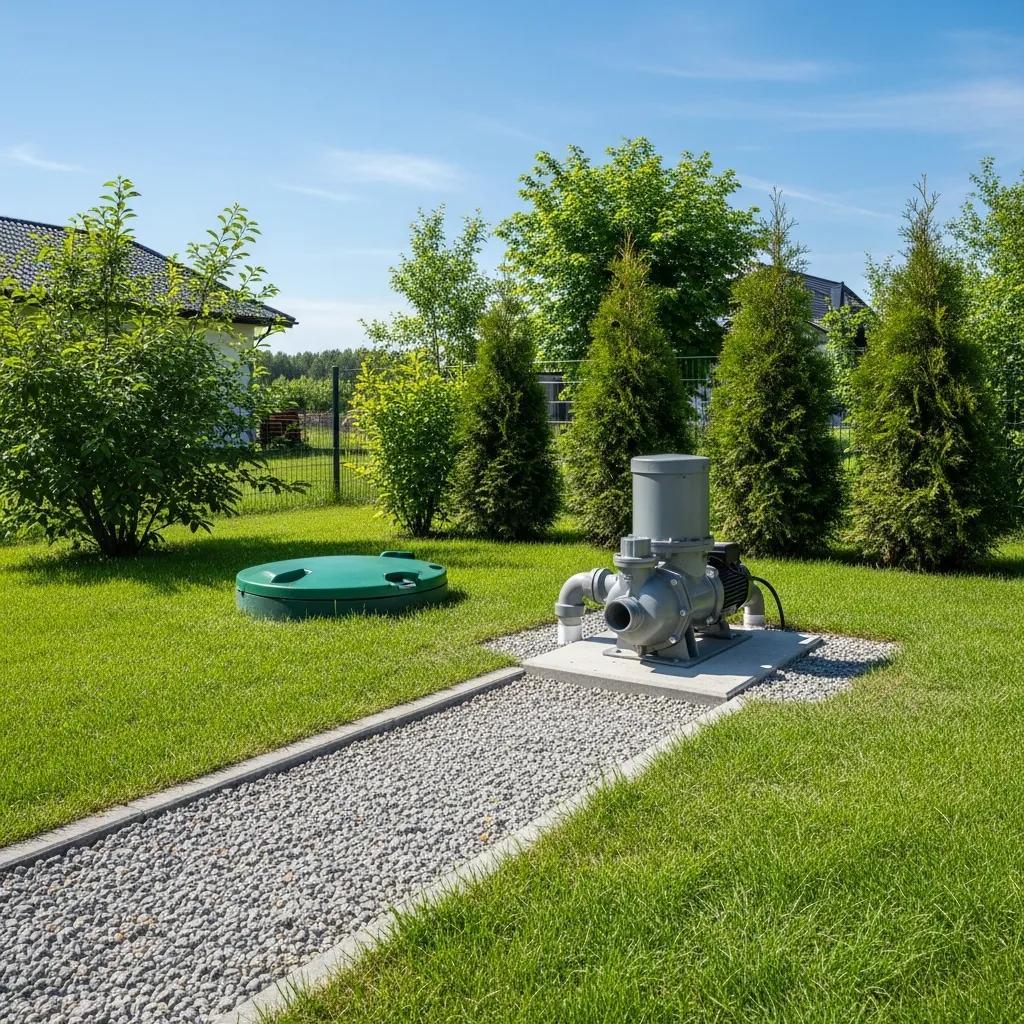
A failing septic pump is a leading cause of backups, groundwater contamination risk, and expensive repairs. Replacing a worn pump at the right time keeps your home safe and your system working efficiently. In this guide we outline typical lifespans for the main pump types, what speeds up wear, and the early warning signs to watch for so you can decide whether to repair or replace. You’ll get clear maintenance schedules, safe DIY checks, an assessment of environmental risks from failure, and a simple decision framework that balances repair cost versus replacement value. We also compare effluent and grinder pumps side‑by‑side, list homeowner inspection steps you can do safely, and explain when to call a pro. Finally, learn how Advanced Septic Services helps Greater Edmonton homeowners with transparent pricing, free consultations, and emergency response. Read on for a practical, local plan to keep your septic pump reliable.
What Is a Septic Pump and Why Is It Essential for Your Septic System?
A septic pump moves wastewater or clarified effluent from the tank to a drainfield or sewer connection when gravity alone can’t do the job. The motor, impeller, check valve and float switch work together to sense tank level and start pumping cycles; when those parts work properly they prevent backups and keep solids out of the drainfield. If the pump fails, you can face indoor backups or untreated effluent surfacing — both serious health and environmental hazards that drive up cleanup bills fast. Knowing what each component does helps you spot problems early: a burned motor, a stuck float, or a clogged impeller all reduce performance and increase risk.
What Are the Different Types of Septic Pumps?
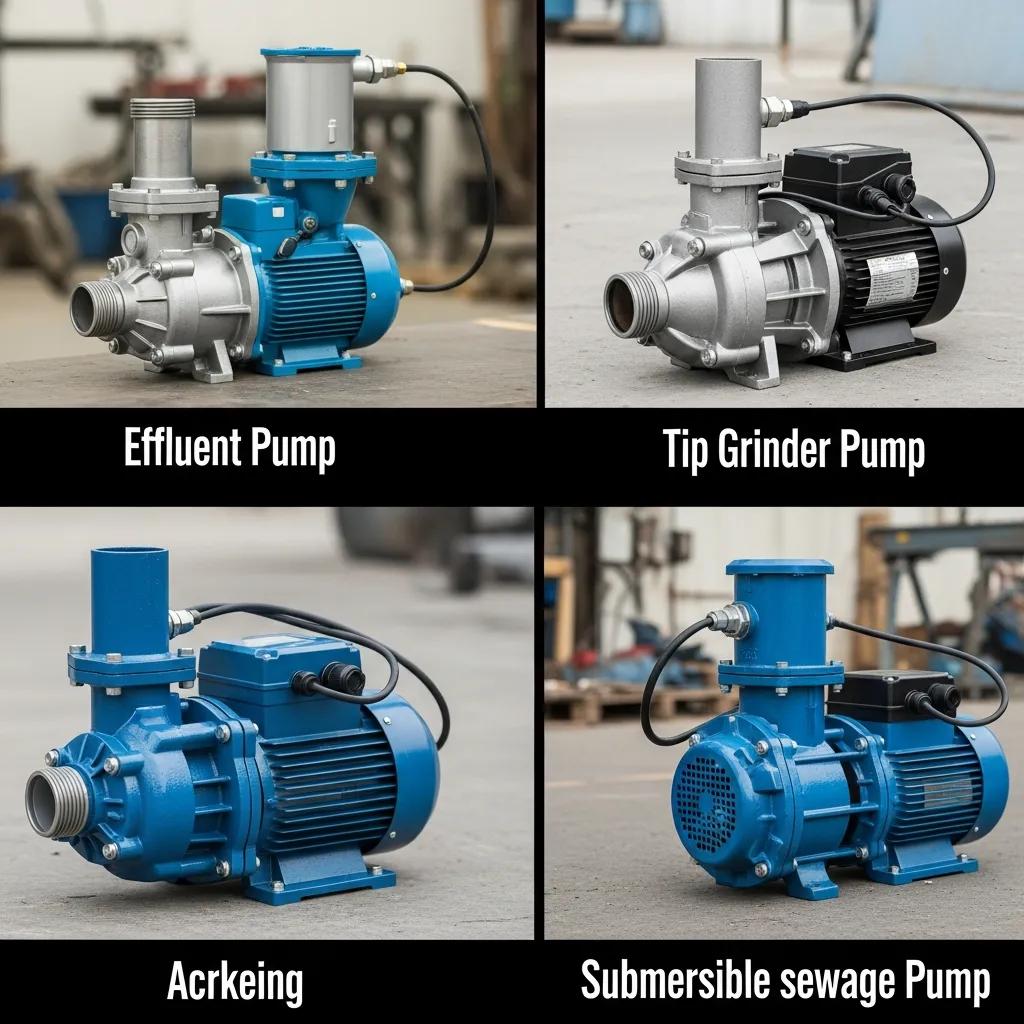
Residential septic systems typically use effluent pumps, grinder pumps, or submersible sewage pumps, each built for different solids handling and installation conditions. Effluent pumps handle clarified liquid when solids stay in a primary tank. Grinder pumps macerate solids so sewage can travel through small-diameter force mains or be pumped long distances. Submersible pumps sit in the wet well and may be built for either effluent or sewage duties depending on the model. Those mechanical differences influence maintenance: grinders face more wear from grinding action, effluent pumps are sensitive to debris and float issues, and submersibles need monitoring for overheating and seal integrity.
- Common pump types and uses: Effluent pump: moves settled liquid from the tank to the drainfield; common in residential setups. Grinder pump: macerates solids for pressure sewers or long-distance discharge runs. Submersible pump: installed inside a wet well and configured for either effluent or raw sewage service depending on the model.
Understanding these differences helps set realistic service intervals and choose the right pump for your system layout and wastewater characteristics.
How Does a Septic Pump Affect System Safety and Performance?
A correctly sized, well-functioning pump balances flow and protects the drainfield from solids and hydraulic overload — preserving treatment capacity and preventing contamination. When a pump underperforms because of worn impellers, electrical issues, or erratic float-switch behavior, the system can cycle excessively, carry solids downstream, or stop pumping altogether. Each scenario raises environmental risk. For example, constant short cycling wears out switches and increases energy use, and pump failure during wet weather raises the chance of surface discharge and groundwater contamination. That connection between pump health and system safety is why preventive checks and timely replacement matter for your home and the local environment.
What Is the Average Lifespan of a Septic Pump?
Most septic pumps last roughly 8–15 years, depending on pump type, how heavily they’re used, and how well they’re maintained. Effluent pumps generally live toward the higher end of that range; grinder pumps more often sit toward the lower end. Lifespan is affected by mechanical stress, solids in the tank, electrical stability, and installation quality — poor wiring or the wrong pump for the job increases the chance of early failure. Regular inspections (checking motor amp draw, float operation, and control settings) help estimate remaining life and support proactive replacement planning. If a pump needs frequent repairs, replacing it before a catastrophic failure often lowers total lifecycle cost and avoids environmental incidents.
Intro to lifespan comparison table and summary paragraph:
| Pump Type | Average Lifespan | Typical Failure Causes |
|---|---|---|
| Effluent pump | 10–15 years | Debris or solids buildup, float-switch failure, motor wear |
| Grinder (sewage) pump | 8–12 years | Mechanical wear from grinding, clogged blades, seal failure |
| Submersible sewage pump | 7–12 years | Seal breaches, motor overheating, corrosion |
Effluent pumps tend to last longer when solids are kept out of the pump. Grinder and submersible units face higher mechanical and sealing stresses that shorten service life. Regular monitoring turns replacement timing into a planned decision rather than an emergency.
After reviewing expected lifespans, many homeowners book a professional inspection to get a reliable estimate of remaining service life; that assessment clarifies whether repair or replacement best protects safety and performance.
How Long Do Effluent Pumps Usually Last?
Effluent pumps commonly last about 10–15 years when the primary tank is maintained and non-flushable solids are minimized, because they move clarified liquid rather than raw sewage. Early effluent pump failures usually trace back to debris-clogged impellers, failed float switches, or electrical faults like bad capacitors or motor winding issues. Simple routine checks — confirming float travel, listening for odd motor noise, and checking the control panel — catch many problems early and extend service life. Homeowners who stick to recommended tank pumping and avoid flushing solids see the best longevity from effluent pumps.
What Is the Expected Lifespan of Grinder Pumps?
Grinder pumps typically last about 8–12 years because the grinding mechanism and seals take continuous mechanical stress when handling solids. Common grinder issues include blade wear, bearing failure, and seal breaches that let moisture into the motor housing. Those failure modes raise maintenance needs and increase the chance of earlier replacement. Watch for vibration, unusual grinding sounds, or more frequent cycles — these are early warnings that grinder components are nearing end of life. Because grinders protect downstream piping by macerating solids, timely replacement is often essential to avoid force‑main blockages and backups.
What Are the Key Signs Your Septic Pump Is Failing?
Spotting pump problems early reduces risk and repair costs. Typical warning signs include persistent slow drainage, repeated backups, alarm activations, odd motor noises, and constant cycling that points to float or control issues. If you see one or more of these signs, take immediate safe checks: confirm the pump has power, listen for the motor, and see whether the septic alarm is active. Some homeowner checks can isolate simple problems, but persistent alarms, surface seepage, or sewage odors need professional service to prevent contamination. Acting quickly preserves your drainfield and keeps problems from getting worse.
Intro to list of key signs and how to interpret them:
- Slow drainage across multiple fixtures: Usually indicates reduced pump output, a clogged impeller, or excessive solids in the tank rather than a single drain clog.
- Frequent backups or surface discharge: Means the pump isn’t moving effluent or the tank level is too high — this needs prompt attention.
- Septic alarm activation: A high-level alarm shows the pump isn’t running when it should or the control system has a fault; professional diagnosis is usually required.
- Unusual grinding or humming noises: Mechanical wear or obstructions in impellers or grinders often create distinct sounds that point to trouble.
- Constant pump cycling: Rapid on/off cycles suggest float-switch issues, incorrect control settings, or a leak that refills the sump quickly.
After this checklist, perform safe basic checks — confirm power at the control panel and ensure alarms haven’t been silenced — then call a professional if problems persist or if you detect sewage at the surface.
How Does Slow Drainage Indicate Pump Problems?
When several fixtures drain slowly at once, it usually signals a system-level restriction such as a failing pump, clogged impeller, or high solids in the tank, not a single clogged sink. Multiple slow drains suggest the pump isn’t moving wastewater at normal capacity, which raises hydraulic load on the drainfield and increases solids carryover. Homeowners can safely check circuit breakers, control-panel lights, and the septic alarm before calling a technician. If those checks don’t help, a professional should inspect float switches, impeller condition and motor current draw to diagnose pump-related slow drainage.
What Do Frequent Backups and Septic Alarms Mean?
Frequent backups and a sounding septic alarm usually mean the pump isn’t moving effluent as required or the control system isn’t initiating cycles correctly. That’s a high‑risk situation that can cause indoor sewage backups and surface discharge. An alarm indicates a high liquid level in the tank or wet well; ignoring it risks soil and groundwater contamination and adds cleanup costs. Stop water use to reduce inflow and call a qualified service provider for emergency diagnostics if backups occur. Emergency response limits exposure, preserves your property, and helps determine whether repair or replacement is the right fix.
Why Are Unusual Noises and Constant Pump Cycling Important?
Unusual noises — grinding, scraping or a high-pitched whine — often point to mechanical contact, worn bearings or damaged impeller blades. Constant cycling typically signals float-switch or control problems that accelerate wear and raise energy use. Both issues speed component failure: continuous cycling shortens motor and switch life, while internal mechanical damage can cause a catastrophic motor burnout. Note noise characteristics and cycle frequency as diagnostic clues, and avoid running a clearly damaged system. Professional testing of motor amperage, float gaps and control settings will show whether repair or preemptive replacement lowers long‑term cost and environmental risk.
Knowing the common failure modes for centrifugal pumps helps you prioritize maintenance and intervene before a major fault.
Centrifugal Pump Failure Modes: Maintenance, Diagnosis, and Replacement for Safety
As a result, it is imperative that these pumps be correctly monitored, diagnosed, maintained or replaced prior to the pump failing catastrophically to reduce downtime, material cost, and labour costs. This paper reviews the major fault modes that are found in centrifugal pumps, especially those in the water and sewage industry. Attention is given to the nature of the faults, symptoms shown within the pump that could be utilised for specific fault detection and diagnosis, and any mechanical corrective procedures that exist to help alleviate the problem.
A review of major centrifugal pump failure modes with application to the water supply and sewerage industries, KK McKee, 2011
How Can Regular Maintenance Extend Your Septic Pump’s Lifespan?
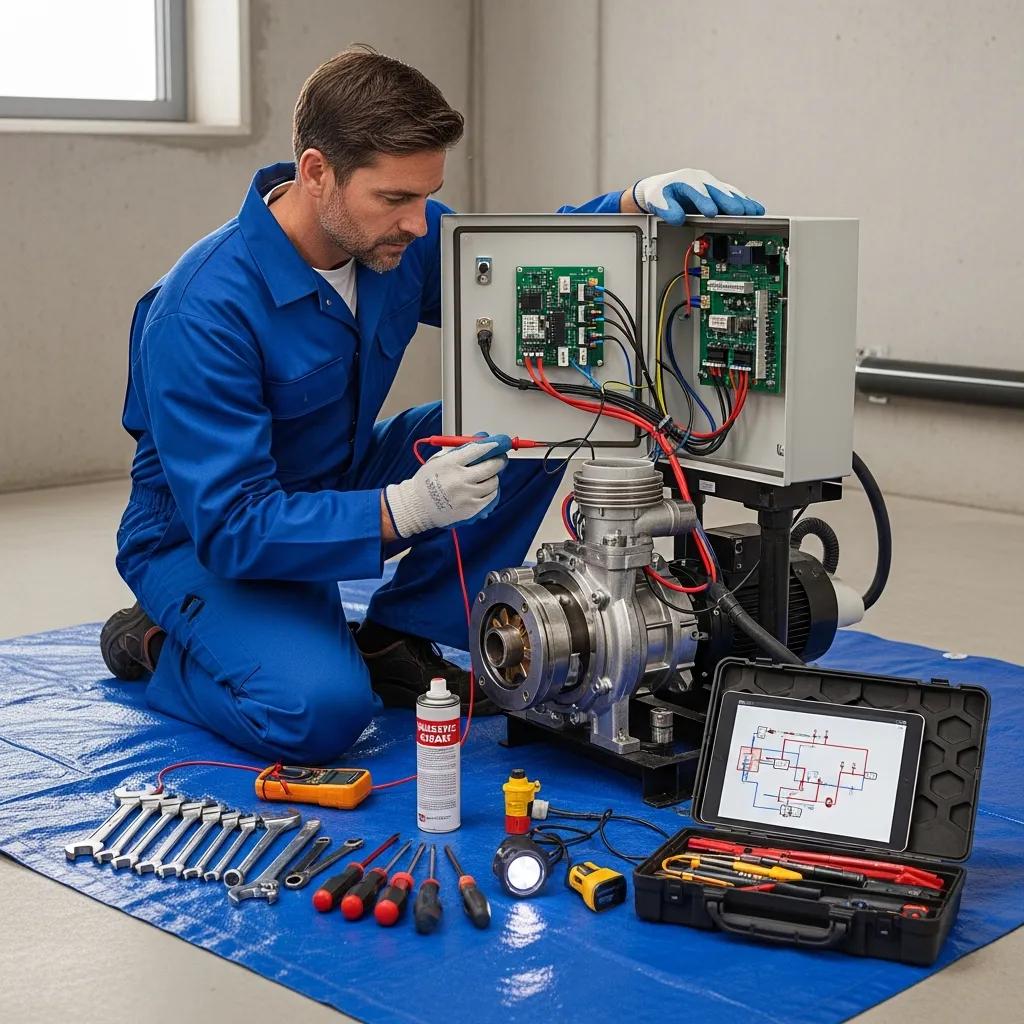
Routine maintenance prevents debris buildup, keeps controls working correctly, and catches electrical or mechanical wear before it causes failure. Scheduled inspections verify float-switch travel, test alarms and control relays, measure motor amp draw, and check check valves and wiring for corrosion — actions that reduce unexpected downtime and protect the drainfield. A regular service history also helps time replacements and makes resale information clearer. For homeowners who want predictable upkeep, a straightforward maintenance plan that combines tank pumping, mechanical checks and household behaviour changes will maximize pump life.
Intro to maintenance task table and summary paragraph:
| Maintenance Task | Frequency | Benefit/Value |
|---|---|---|
| Tank pumping and solids removal | Every 3–5 years | Reduces solids carryover that clogs pumps and drainfields |
| Mechanical/float inspection | Annually or with service call | Prevents float-switch failures and unbalanced cycling |
| Control panel and electrical check | Annually | Detects wiring faults and reduces motor failure risk |
| Debris/strainer cleaning | As needed (visual inspection) | Keeps impeller clear and maintains flow efficiency |
Keeping a consistent maintenance schedule lowers emergency repairs and extends pump life by ensuring critical parts remain serviceable and solids are managed at the tank level. Regular service visits also give objective condition data that support better replacement decisions.
What Are the Recommended Pumping and Inspection Schedules?
As a baseline, pump your septic tank every 3–5 years and have mechanical inspections at least annually or whenever a service visit occurs for systems with pumps. Intervals change with household size and water use: high-use homes, heavy laundry schedules, or small commercial setups may need more frequent pumping and inspections to avoid solids bridging and pump strain. Pairing a tank pump-out with a mechanical check lets technicians evaluate floats, impellers and control panels when the tank is accessible. Following these schedules reduces repair frequency and gives clearer data for planning replacement.
How Does Avoiding Debris and Non-Flushables Protect Your Pump?
Keeping wipes, sanitary products, diapers, grease and dental floss out of your system prevents clogs that speed impeller wear and damage grinder blades, and it lowers the risk of floats becoming entangled and causing constant cycling. Grease and cooking oils congeal, coat internal parts and increase motor load; solids catch on floats and jam moving components. Practical steps — using sink strainers, throwing grease in the trash, and teaching household members what not to flush — reduce pump stress and extend service life while protecting downstream treatment components.
Key do/don’t practices for protecting pumps:
- Do: Pump tanks on the recommended schedule and keep inspection records.
- Do: Install strainers and avoid garbage disposals that add solids to the system.
- Don’t: Flush wipes, diapers, or sanitary products; they cause clogs and mechanical damage.
- Don’t: Pour grease down the drain; let it cool and toss it in the garbage.
Adopting these habits reduces mechanical exposure to damaging solids and lowers the frequency of repairs and premature replacement.
When Should You Repair or Replace Your Septic Pump for Cost Efficiency?
Choose repair or replacement by weighing pump age, how often it fails, repair costs and the environmental and downtime risks of continued operation. A practical rule of thumb: consider replacement when the pump is near the top of its expected life and repair costs exceed roughly half the cost to replace. Repeated service calls for the same problem, rising electricity use, or evidence of motor or seal leaks often mean replacement will save money over the long run. Also factor in warranty coverage, permits, and the reduced contamination risk from installing new equipment. Using a simple decision matrix helps homeowners make choices that protect safety and reduce total cost.
Intro to repair vs replace decision matrix and summary paragraph:
| Condition/Scenario | Repair Recommended? | Replacement Recommended? | Notes/Cost Considerations |
|---|---|---|---|
| Newer pump (<5 years) with single issue | Yes | No | Repair is cost-effective if under warranty or the fault is isolated |
| Pump 7–10+ years with repeated failures | Sometimes | Yes | Replacement reduces long-term costs and downtime |
| Repair cost > 50% of replacement | No | Yes | Use replacement starting price as a baseline for comparison |
| Seal or motor burn evidence | No | Yes | Internal damage risks immediate failure and contamination |
This matrix shows when repair can buy time and when replacement lowers overall risk and cost; always get written quotes and consider response time and environmental risk when you decide.
How Does Pump Age Influence Replacement Timing?
Age is a primary guideline: pumps near or past their typical lifespan (effluent ~10–15 years, grinder ~8–12 years) should be considered for proactive replacement, especially if recent repairs have been needed. Younger pumps can still need replacement if diagnostics reveal failing windings, repeated seal breaches, or chronic control faults — age alone isn’t the only factor. A professional inspection will identify wear patterns and estimate residual life so you can plan replacement during scheduled downtime instead of in an emergency. Proactive replacement reduces environmental risk and often provides better pricing and scheduling flexibility.
What Are the Cost Considerations for Septic Pump Replacement?
Replacement cost depends on pump type, labour, control upgrades, permits and any wet‑well or piping work required, so treat a baseline price as a starting point. In the Edmonton area, standard septic pump installations typically start around $950 to $1,200 CAD, which is a useful benchmark for basic installs — more complex systems or higher-capacity pumps increase the total. When comparing quotes, include warranty terms, control panel upgrades, check‑valve replacement and any excavation or electrical work. Written, itemized quotes make it easier to compare lifecycle costs and choose a solution that balances upfront expense with long-term reliability and environmental protection.
How Does Advanced Septic Services Support Septic Pump Replacement and Maintenance?
Advanced Septic Services serves Greater Edmonton homeowners with full septic pump services — inspection, installation, maintenance and emergency repair — backed by transparent pricing, free consultations and a skilled technical team. We start with a comprehensive assessment of pump age, float and control function, and tank condition to determine whether repair or replacement is the right path. Standard pump installations begin at $950, and our technicians handle pump selection, wiring, testing and post-install recommendations. We focus on clear quotes, dependable service and maintenance plans that help extend pump life and reduce environmental risk.
What Does Professional Septic Pump Installation Include?
Professional installation begins with a pre-install assessment of the tank, wet well and control panel to confirm pump sizing, mounting and electrical needs. We then secure the pump, wire to code, test operation and verify system-level performance. Technicians install or replace key parts — float switch, impeller assembly, check valve and control components — and run the pump through operational cycles to confirm pressure, amp draw and alarm function. After installation we provide documentation and a maintenance schedule tailored to your household and pump type to help maximize service life.
Typical installation steps include:
- Assessment and pump selection: Match pump type and capacity to your system needs.
- Mechanical and electrical installation: Secure the pump, connect wiring and set control parameters to code.
- Operational testing: Run cycles, test alarms and verify check-valve operation.
- Post-install instructions: Leave a clear maintenance schedule and service documentation.
These steps ensure safe, reliable operation and set up predictable maintenance intervals.
How Can 24/7 Emergency Repairs Prevent System Failures?
Fast emergency response limits property damage, health risks and environmental contamination by addressing alarms and backups before they get worse. Whether it’s a night alarm or a sudden backup, immediate technician access helps. Emergency repairs can include temporary bypass pumping to protect living spaces, diagnostic testing to isolate faults, and short-term fixes that stabilize the system until full replacement is scheduled. Quick response reduces cleanup and prevents prolonged soil and groundwater exposure to untreated effluent. Access to round‑the‑clock service lowers the financial and environmental cost of pump failures.
Why Choose Advanced Septic Services for Your Edmonton Area Septic Needs?
We combine local knowledge of Greater Edmonton, St. Albert, Sturgeon County and Leduc with clear pricing, free consultations and dependable emergency availability to deliver practical septic solutions. Our team provides thorough assessments and tailored maintenance schedules that extend pump life, and our transparent quotes start at $950 for standard pump installations. Choosing a local specialist means faster response times and service that understands Alberta regulations and site conditions. To book an inspection, request a free quote or arrange emergency service, call Advanced Septic Services at 780-691-0588 to discuss your system and schedule an appointment.
Frequently Asked Questions
What maintenance tasks should I prioritize for my septic pump?
Focus on tank pumping every 3–5 years to prevent solids buildup, annual mechanical inspections to check float switches and controls, and cleaning debris strainers as needed. Add an annual electrical check to spot wiring faults that could lead to motor failure. Sticking to these tasks reduces unexpected breakdowns and extends pump life.
How can I tell if my septic pump is the right size for my system?
Assess pump capacity against your household wastewater output — number of bathrooms, appliances and overall water use matter. A pump that’s too small may cause backups; one that’s oversized can short-cycle and wear prematurely. If you’re unsure, a professional can confirm the correct size for reliable performance.
What are the environmental impacts of a failing septic pump?
A failing pump can cause groundwater contamination and surface discharge of untreated sewage. Solids escaping into the drainfield can lead to clogging and system failure, letting pathogens reach local water sources and harming people and wildlife. Timely maintenance and replacement protect the environment and your neighbourhood.
Can I perform my own inspections on the septic pump?
Yes — you can do basic, safe checks: verify the pump has power, listen for unusual noises, and check the septic alarm. Inspect the control panel and make sure the float switch operates freely. For complex diagnostics or repairs, call a professional to avoid damage and ensure safe operation.
What should I do if my septic pump alarm goes off?
If the alarm sounds, stop using water to reduce inflow and check the control panel for obvious issues like a tripped breaker or a stuck float. If the alarm continues, contact a professional right away. Ignoring alarms increases the risk of backups and environmental contamination.
How does the type of septic pump affect maintenance needs?
Pump type strongly affects maintenance. Effluent pumps (handling clarified liquid) usually need less frequent service than grinder pumps, which see heavier mechanical wear. Submersible pumps have their own needs, such as monitoring for motor heat and seal wear. Knowing your pump type helps schedule the right inspections and care.
Conclusion
Replacing your septic pump at the right time keeps your system safe and working well, prevents costly repairs and protects the environment. Understanding expected lifespans and failure signs helps you make informed repair-or-replace decisions. Regular maintenance and timely inspections extend pump life and reduce surprises. For expert help and transparent pricing in the Edmonton area, contact Advanced Septic Services.